Buy qi-gong.eu ?
We are moving the project
qi-gong.eu .
Are you interested in purchasing the domain
qi-gong.eu ?
domain@kv-gmbh.de · 0541-91531010
Buy qi-gong.eu ?
How do climate and vegetation determine the formation of a landscape?
Climate and vegetation play a crucial role in shaping the formation of a landscape. The climate of an area, including factors such as temperature, precipitation, and wind patterns, determines the type of vegetation that can thrive in that environment. The presence of certain types of vegetation, in turn, influences the physical characteristics of the landscape, such as soil composition, erosion patterns, and the overall appearance of the terrain. For example, in a hot and dry climate, the presence of desert vegetation like cacti and succulents can lead to the formation of a desert landscape characterized by sandy dunes and rocky outcrops. In contrast, a region with abundant rainfall and lush vegetation may have a landscape dominated by dense forests and fertile soil. **
Which CO2-low and landscape-harmonizing energy generation best harmonizes with the landscape?
One CO2-low and landscape-harmonizing energy generation method is solar energy. Solar panels can be installed on rooftops or in open fields without significantly altering the landscape. Another method is wind energy, which involves the use of wind turbines that can be placed in open areas such as farmland or coastal regions. Both of these methods have minimal impact on the surrounding landscape and contribute to reducing CO2 emissions, making them ideal choices for harmonizing with the environment. **


Similar search terms for Landscape formation
Top-Angebote
Products related to Landscape formation:
-
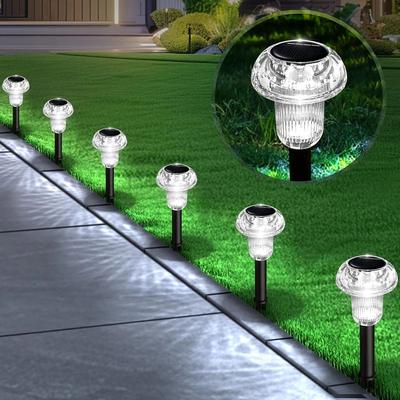
All Categories Goods Solar Landscape Lights LED Outdoor Garden Pathway Yard Lawn Art Lamp, Waterproof, Energy Efficient Solar Landscape Lights LED Outdoor Garden Pathway Yard Lawn Art Lamp, Waterproof, Energy EfficientTransform your outdoor spaces with our 4 pcs of Solar Landscape Lights. Designed for garden lovers and homeowners, this 4pack of energyefficient, solarpowered LED lights adds a charming, artistic glow to your pathways, yard, and garden. These...69,97 $*Shipping: 0,00 $Secure redirect to the provider
-
Inspired Finds Portable Lung Trainer Pro Adjustable Breathing Exercise Device For Lung Capacity, Relaxation & Better Sleep Portable Lung Trainer Pro Adjustable Breathing Exercise Device For Lung Capacity, Relaxation & Better SleepBreathe deeper, feel stronger, and live healthier with the lung capacity trainer designed to improve your breathing power and stamina. This breathing exercise device helps strengthen your respiratory muscles through adjustable resistance, allowing...34,99 $*Shipping: 0,00 $Secure redirect to the provider
-
Uplift Essentials Solar Flamingo Garden Landscape Stake Solar Flamingo Garden Landscape StakeAdd a splash of vibrant, tropical charm to your outdoor space with the solar flamingo garden LED stake. This eyecatching landscape lamp features the iconic pink flamingo silhouette, reimagined as a glowing sentinel for your garden. Crafted with a...57,97 $*Shipping: 0,00 $Secure redirect to the provider
-
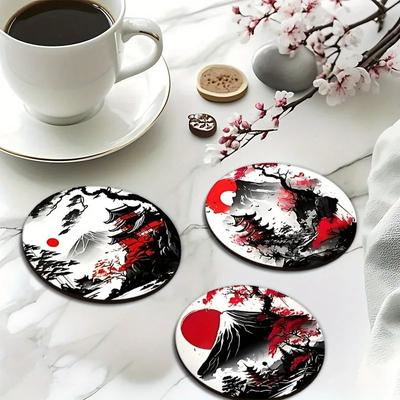
Uplift Treasures Japanese Landscape Wooden Coaster Set Japanese Landscape Wooden Coaster SetProduct Description: Add a touch of elegance to your table with this beautifully crafted 6piece wooden coaster set featuring serene Japanese landscape designs. Stylish, practical, and durable, it protects your surfaces while enhancing your home or...42,97 $*Shipping: 0,00 $Secure redirect to the provider


-
What is the difference between landscape and landscape ecosystem?
Landscape refers to the visible features of an area of land, including physical elements such as mountains, rivers, and forests. On the other hand, a landscape ecosystem encompasses not only the physical features of the land but also the interactions between living organisms and their environment within that landscape. It includes the relationships between plants, animals, and their surroundings, as well as the flow of energy and nutrients within the ecosystem. In essence, landscape ecosystem is a more holistic concept that considers both the physical and biological aspects of a landscape. **
-
What is the difference between landscape architecture and landscape planning?
Landscape architecture focuses on the design and planning of outdoor spaces, including parks, gardens, and urban plazas, with a focus on aesthetics, functionality, and sustainability. Landscape architects often work on specific projects, creating detailed designs and plans for outdoor spaces. On the other hand, landscape planning is a broader field that involves the strategic and holistic planning of land use, natural resources, and environmental conservation. It encompasses the assessment, analysis, and management of landscapes at a larger scale, often involving multiple stakeholders and considering long-term impacts on the environment and communities. In summary, landscape architecture is more focused on the design and aesthetics of outdoor spaces, while landscape planning involves the strategic and comprehensive planning of land use and natural resources. **
-
What is the difference between sperm formation and egg formation?
Sperm formation, or spermatogenesis, occurs in the testes of males and involves the production of sperm cells through a process of cell division and differentiation. On the other hand, egg formation, or oogenesis, occurs in the ovaries of females and involves the production of egg cells through a similar process of cell division and differentiation. The key difference between the two processes is that sperm formation results in the production of four functional sperm cells from one parent cell, while egg formation results in the production of one functional egg cell from one parent cell. Additionally, sperm formation begins at puberty and continues throughout a male's life, while egg formation begins before birth and is completed during the reproductive years. **
-
What are landscape units?
Landscape units are distinct areas within a landscape that share similar ecological, geological, and topographical characteristics. These units are defined based on factors such as soil type, vegetation, landform, and hydrology. By identifying and mapping landscape units, land managers and conservationists can better understand the diversity and dynamics of a landscape, and make informed decisions about land use and conservation strategies. This approach helps to recognize the unique features and functions of different areas within a landscape, and can guide efforts to protect and manage natural resources. **


What are landscape zones?
Landscape zones refer to different areas within a landscape that are designated for specific purposes or have distinct characteristics. These zones can include areas for recreation, conservation, agriculture, or residential development. They are often planned and managed to optimize the use of the land and to protect natural resources. By dividing a landscape into zones, it becomes easier to balance human activities with the preservation of natural ecosystems. **
Is Qi energy-saving?
Qi energy is not inherently energy-saving in the traditional sense. It is a concept in traditional Chinese medicine and martial arts that refers to the vital energy or life force that flows through the body. While practices such as qigong and tai chi, which aim to cultivate and balance Qi, may promote overall health and well-being, they are not specifically designed to save energy in the way we typically think of it in terms of electricity or fuel consumption. However, the principles of Qi cultivation may lead to a more balanced and efficient use of personal energy and resources. **
Top-Angebote
Products related to Landscape formation:
-
Northwest Operation Hat Trick Formation Faux Mink Sherpa Throw BlanketCelebrate your patriotism and support a meaningful cause with this Operation Hat Trick Faux Mink Silk Touch Sherpa Throw Blanket. This extraordinary blanket combines silky softness with plush faux mink and the cozy warmth of sherpa fabric.89,99 $*Shipping: 0,00 $Secure redirect to the provider
-
Drop Dash Deals Stainless Steel LED Solar Landscape Path Lights Outdoor Garden Lighting, Energy Saving & Durable Stainless Steel LED Solar Landscape Path Lights Outdoor Garden Lighting, Energy Saving & DurableTransform your garden into a luminous retreat with these 24pcs Stainless Steel LED Solar Landscape Path Lights. Powered by solar energy, they offer an ecofriendly solution for brightening your outdoor spaces while keeping energy consumption low....79,97 $*Shipping: 0,00 $Secure redirect to the provider
-
All Categories Goods Solar Landscape Lights LED Outdoor Garden Pathway Yard Lawn Art Lamp, Waterproof, Energy Efficient Solar Landscape Lights LED Outdoor Garden Pathway Yard Lawn Art Lamp, Waterproof, Energy EfficientTransform your outdoor spaces with our 4 pcs of Solar Landscape Lights. Designed for garden lovers and homeowners, this 4pack of energyefficient, solarpowered LED lights adds a charming, artistic glow to your pathways, yard, and garden. These...69,97 $*Shipping: 0,00 $Secure redirect to the provider
-
Inspired Finds Portable Lung Trainer Pro Adjustable Breathing Exercise Device For Lung Capacity, Relaxation & Better Sleep Portable Lung Trainer Pro Adjustable Breathing Exercise Device For Lung Capacity, Relaxation & Better SleepBreathe deeper, feel stronger, and live healthier with the lung capacity trainer designed to improve your breathing power and stamina. This breathing exercise device helps strengthen your respiratory muscles through adjustable resistance, allowing...34,99 $*Shipping: 0,00 $Secure redirect to the provider
-
How do climate and vegetation determine the formation of a landscape?
Climate and vegetation play a crucial role in shaping the formation of a landscape. The climate of an area, including factors such as temperature, precipitation, and wind patterns, determines the type of vegetation that can thrive in that environment. The presence of certain types of vegetation, in turn, influences the physical characteristics of the landscape, such as soil composition, erosion patterns, and the overall appearance of the terrain. For example, in a hot and dry climate, the presence of desert vegetation like cacti and succulents can lead to the formation of a desert landscape characterized by sandy dunes and rocky outcrops. In contrast, a region with abundant rainfall and lush vegetation may have a landscape dominated by dense forests and fertile soil. **
-
Which CO2-low and landscape-harmonizing energy generation best harmonizes with the landscape?
One CO2-low and landscape-harmonizing energy generation method is solar energy. Solar panels can be installed on rooftops or in open fields without significantly altering the landscape. Another method is wind energy, which involves the use of wind turbines that can be placed in open areas such as farmland or coastal regions. Both of these methods have minimal impact on the surrounding landscape and contribute to reducing CO2 emissions, making them ideal choices for harmonizing with the environment. **
-
What is the difference between landscape and landscape ecosystem?
Landscape refers to the visible features of an area of land, including physical elements such as mountains, rivers, and forests. On the other hand, a landscape ecosystem encompasses not only the physical features of the land but also the interactions between living organisms and their environment within that landscape. It includes the relationships between plants, animals, and their surroundings, as well as the flow of energy and nutrients within the ecosystem. In essence, landscape ecosystem is a more holistic concept that considers both the physical and biological aspects of a landscape. **
-
What is the difference between landscape architecture and landscape planning?
Landscape architecture focuses on the design and planning of outdoor spaces, including parks, gardens, and urban plazas, with a focus on aesthetics, functionality, and sustainability. Landscape architects often work on specific projects, creating detailed designs and plans for outdoor spaces. On the other hand, landscape planning is a broader field that involves the strategic and holistic planning of land use, natural resources, and environmental conservation. It encompasses the assessment, analysis, and management of landscapes at a larger scale, often involving multiple stakeholders and considering long-term impacts on the environment and communities. In summary, landscape architecture is more focused on the design and aesthetics of outdoor spaces, while landscape planning involves the strategic and comprehensive planning of land use and natural resources. **
Similar search terms for Landscape formation
-
Uplift Essentials Solar Flamingo Garden Landscape Stake Solar Flamingo Garden Landscape StakeAdd a splash of vibrant, tropical charm to your outdoor space with the solar flamingo garden LED stake. This eyecatching landscape lamp features the iconic pink flamingo silhouette, reimagined as a glowing sentinel for your garden. Crafted with a...57,97 $*Shipping: 0,00 $Secure redirect to the provider
-
Uplift Treasures Japanese Landscape Wooden Coaster Set Japanese Landscape Wooden Coaster SetProduct Description: Add a touch of elegance to your table with this beautifully crafted 6piece wooden coaster set featuring serene Japanese landscape designs. Stylish, practical, and durable, it protects your surfaces while enhancing your home or...42,97 $*Shipping: 0,00 $Secure redirect to the provider
-
Uplift Essentials Solar Owl Landscape Guardian Light Solar Owl Landscape Guardian LightAdd a touch of wise, whimsical charm to your outdoor sanctuary with the solar owl landscape guardian light. This masterfully detailed garden stake features a lifelike owl silhouette that serves as a beautiful decorative piece by day and a watchful,...57,97 $*Shipping: 0,00 $Secure redirect to the provider
-
Outdoor Solar Garden Lights Outdoor Solar Powered Swallowgrass Flower Lantern For Garden Decoration, Solar Energy Landscape Lighting Lamp blueIlluminate Your Garden with a Touch of Elegance Transform your outdoor space with the Solar Powered Swallowgrass Flower Lantern, a stunning blend of artistic design and energyefficient technology. This beautiful lantern is specially crafted to add...29,97 $*Shipping: 0,00 $Secure redirect to the provider
-
What is the difference between sperm formation and egg formation?
Sperm formation, or spermatogenesis, occurs in the testes of males and involves the production of sperm cells through a process of cell division and differentiation. On the other hand, egg formation, or oogenesis, occurs in the ovaries of females and involves the production of egg cells through a similar process of cell division and differentiation. The key difference between the two processes is that sperm formation results in the production of four functional sperm cells from one parent cell, while egg formation results in the production of one functional egg cell from one parent cell. Additionally, sperm formation begins at puberty and continues throughout a male's life, while egg formation begins before birth and is completed during the reproductive years. **
-
What are landscape units?
Landscape units are distinct areas within a landscape that share similar ecological, geological, and topographical characteristics. These units are defined based on factors such as soil type, vegetation, landform, and hydrology. By identifying and mapping landscape units, land managers and conservationists can better understand the diversity and dynamics of a landscape, and make informed decisions about land use and conservation strategies. This approach helps to recognize the unique features and functions of different areas within a landscape, and can guide efforts to protect and manage natural resources. **
-
What are landscape zones?
Landscape zones refer to different areas within a landscape that are designated for specific purposes or have distinct characteristics. These zones can include areas for recreation, conservation, agriculture, or residential development. They are often planned and managed to optimize the use of the land and to protect natural resources. By dividing a landscape into zones, it becomes easier to balance human activities with the preservation of natural ecosystems. **
-
Is Qi energy-saving?
Qi energy is not inherently energy-saving in the traditional sense. It is a concept in traditional Chinese medicine and martial arts that refers to the vital energy or life force that flows through the body. While practices such as qigong and tai chi, which aim to cultivate and balance Qi, may promote overall health and well-being, they are not specifically designed to save energy in the way we typically think of it in terms of electricity or fuel consumption. However, the principles of Qi cultivation may lead to a more balanced and efficient use of personal energy and resources. **
* All prices are inclusive of VAT and, if applicable, plus shipping costs. The offer information is based on the details provided by the respective shop and is updated through automated processes. Real-time updates do not occur, so deviations can occur in individual cases. ** Note: Parts of this content were created by AI.